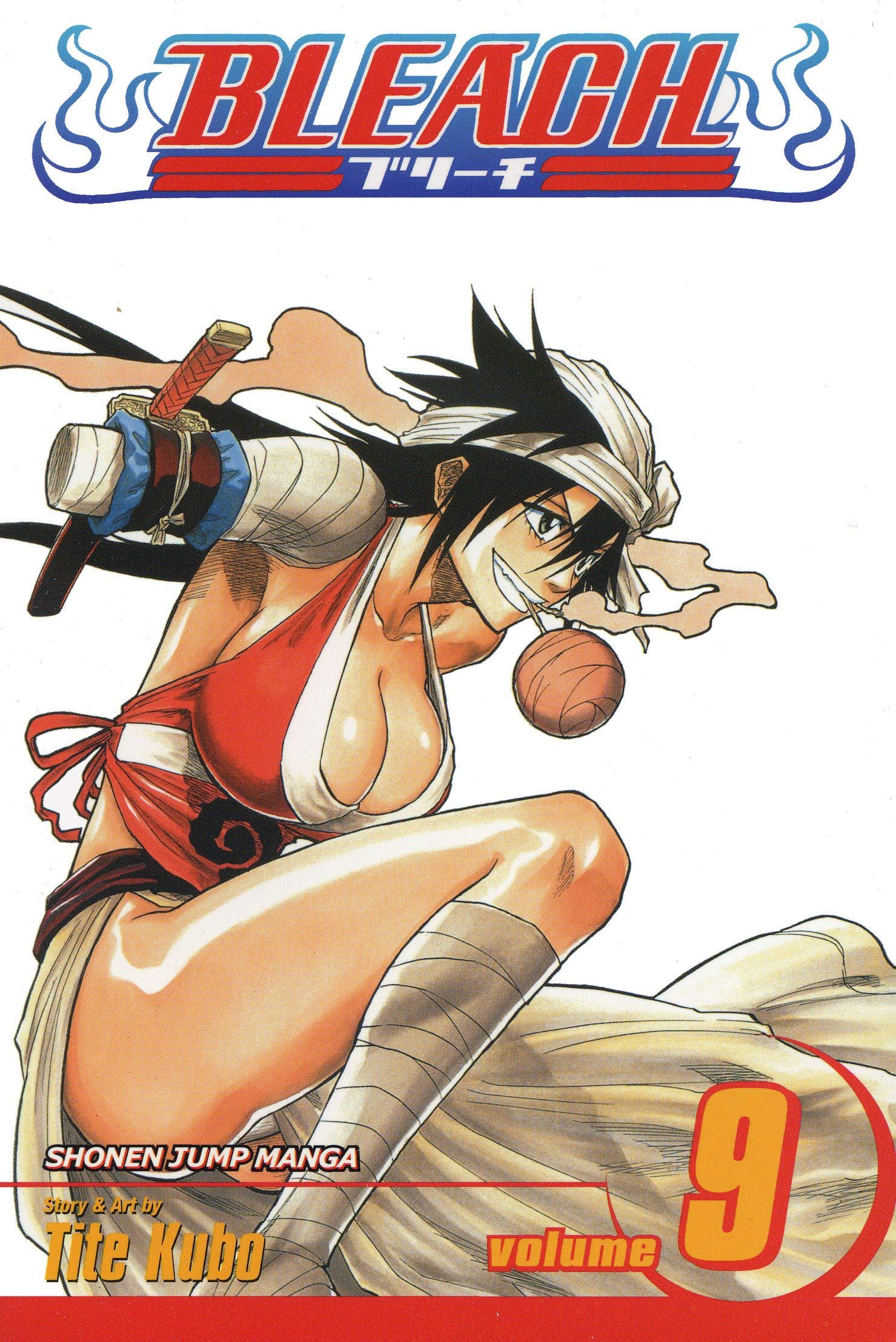
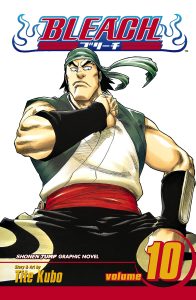
Tite Kubo was born in 1977 in Fuchu, a city in Hiroshima Prefecture, and developed his interest in drawing and fashion from childhood. He made his professional debut in Weekly Shōnen Jump while still a teenager, producing a short series before the launch of Bleach in 2001. Bleach would run for fifteen years, until 2016, making it one of the three titles — alongside Naruto and One Piece — that defined the magazine's identity in the first decade of the twenty-first century, a period sometimes called the golden age of Weekly Shōnen Jump.
The premise of Bleach — a teenage boy gains the powers of a Soul Reaper, supernatural beings who guide the dead to the afterlife and battle evil spirits — is straightforwardly shonen, but Kubo's execution of it was anything but conventional. From the first chapters, it was clear that something different was happening at the level of visual design. Kubo's character art was cleaner and more fashion-conscious than typical shonen manga; his Shinigami characters wore beautifully realized variants of traditional Japanese dress; his Arrancars — the series' antagonist class — dressed with a European gothic sensibility that made them look like they had walked out of a Spanish baroque painting. The manga's aesthetic is entirely coherent and entirely Kubo's own, and it influenced manga character design for years afterwards.
Bleach's storytelling structure — extended arcs with large ensemble casts, each arc introducing new characters and new powers — generated both fervent devotion and critical frustration. The Soul Society arc, comprising roughly the first third of the manga, is frequently cited as one of the finest extended storylines in shonen manga history. Later arcs were criticized for unwieldiness and excessive length, and the manga's conclusion, rushed due to Kubo's illness, disappointed many readers. But the affection for the series — for Ichigo, Rukia, and the hundreds of supporting characters Kubo created with tireless visual invention — proved durable.
The anime adaptation's return in 2022, covering the Thousand-Year Blood War arc with significantly higher production values than the original series, was received as a cultural event: a vindication of the material and a reunion with characters readers had missed. Kubo himself has described his experience of illness and the manga's difficult conclusion with disarming honesty, and his relationship with his readership has a quality of genuine mutual respect. After Bleach, he created Burn the Witch, set in the same universe, and continues to be celebrated as one of the most distinctive visual artists in manga history.