Won-pyung Sohn was born in Seoul in 1979 and has worked as both a novelist and a screenwriter, her professional life spanning both literary fiction and commercial media in ways that reflect the particular creative ecosystem of South Korea. She has written screenplays for television dramas while building her literary career — a combination that is not uncommon among Korean writers of her generation, given the prestige and commercial vitality of Korean television drama production.
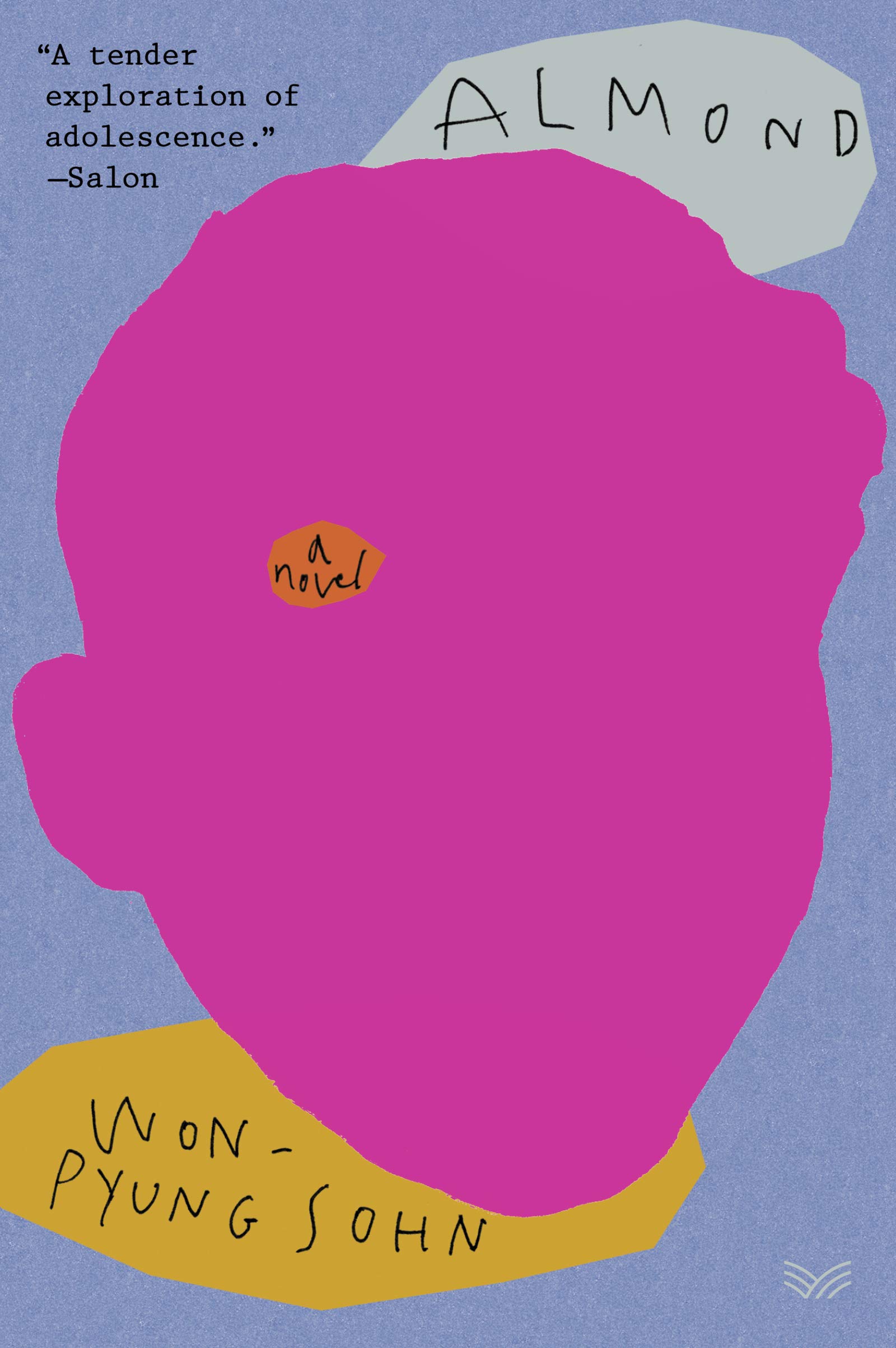
Almond, her debut novel, was published in Korean in 2017 and won the Changbi Prize for Young Adult Fiction. The novel's narrator is Yunjae, a teenage boy whose amygdalae — the brain structures associated with emotional processing, sometimes called the 'almond' because of their shape — are unusually small, giving him a condition called alexithymia: an inability to feel or recognize emotions. He has been raised by his mother and grandmother to manage social situations by carefully observing and imitating expected emotional responses, which gives him a functional life but an experience of the social world as fundamentally incomprehensible.
The novel uses Yunjae's condition with genuine craft: his perspective defamiliarizes emotional experience in ways that allow the reader to see the mechanics of social emotion from outside, while also generating a particular kind of sympathy for a character who wants to connect with others and lacks the tools. His encounter with a boy named Gon — volatile, dangerous, shaped by a different kind of damage — tests both characters in ways that constitute the novel's dramatic action. The violence in the novel is real and consequential; Sohn does not sentimentalize what her characters have been through.
Almond has sold over one million copies in Korea and been translated into more than twenty languages, becoming one of the most internationally successful Korean young adult novels. Its success reflects both the quality of the work and the growing global appetite for Korean fiction following Hallyu's expansion into literary culture. Sohn's subsequent works — including The Flaw (Oh, Oh) and others — have continued to find Korean readership while international translations expand her audience.