Akiko Higashimura was born in 1975 in Miyazaki Prefecture in the south of Japan, and has drawn extensively on the gap between her provincial upbringing and her adult life in Tokyo in her fiction — a gap that generates both comedy (the persistent bewilderment of the outsider navigating urban social codes) and something more poignant about belonging and self-creation. She studied at Osaka University of Arts and began her professional manga career in the late 1990s, developing the sharp observational comedy and compassionate character work that define her most celebrated series.
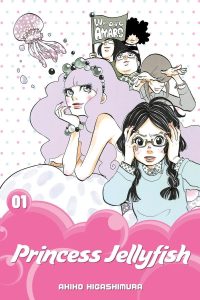
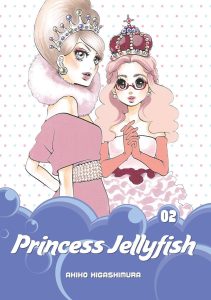
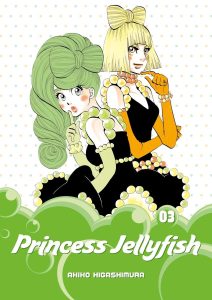
Princess Jellyfish, serialized in Kissand from 2008 to 2017, is her major work. Tsukimi Kurashita, an aspiring illustrator of jellyfish, lives in an all-female apartment complex called Amamizukan whose residents — all devoted to specific obsessive interests (old trains, samurai drama, Taiwanese politics) and united by their complete inability to cope with 'stylish people' and the conventional social world — have created a cozy community of mutual eccentricity. The arrival of Kuranosuke Koibayashi, a politician's son who cross-dresses for pleasure and discovers that he loves this strange community, sets the plot in motion. What follows is a comedy about fashion, femininity, ambition, and the particular difficulty of leaving the comfortable nest of shared obsession for the messier world outside.
Higashimura's genius with Princess Jellyfish lies in her consistent affection for all of her characters, including the ones society would not be kind to. The residents of Amamizukan — the manga would call them NEET, or socially awkward — are rendered not as objects of comedy or pity but as people whose specific passions and quirks are both genuinely funny and genuinely admirable. The series' treatment of feminism is organic rather than didactic: the questions it raises about who gets to define femininity, about what women owe to conventional presentation, and about the relationship between economic independence and personal freedom arise from the characters and situations rather than being imposed on them.
Tokyo Tarareba Girls, her subsequent series, is her most directly autobiographical: following three single women in their thirties who have spent their years drinking and wondering what might have happened 'if only' they had made different choices. It is sharper and more uncomfortable than Princess Jellyfish, holding its protagonists accountable for their self-deceptions while remaining genuinely sympathetic. Higashimura has also written her autobiography in manga form, Motokare Mamire, and her editorial engagement with questions of gender and work in Japanese society has made her one of the most culturally prominent manga artists of her generation.