

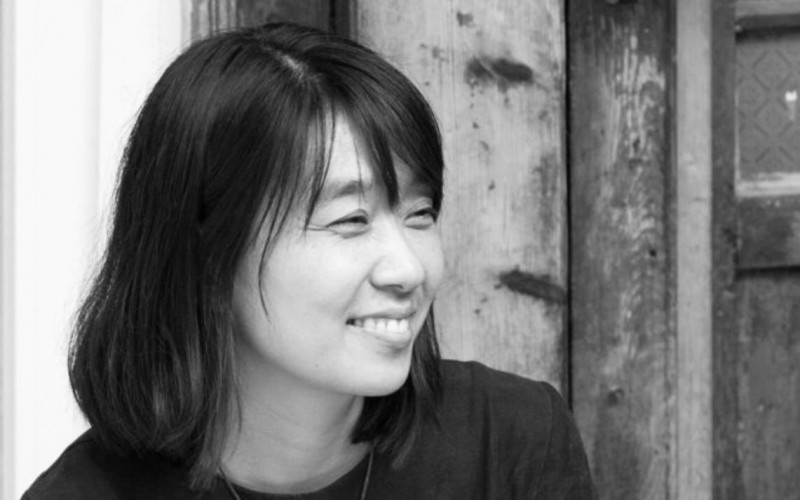
Quiet intensity and emotional precision.
Han Kang speaks about restraint, emotional precision, and writing stories that linger long after the last page.
Precision, Silence, and the Weight of a Sentence
Fictional sample interview for a student project.
There is a kind of writing that doesn’t raise its voice, yet stays with you for years. In this fictional interview, we focus on restraint—not as limitation, but as a way of making meaning sharper.
Q: Your writing often feels both delicate and devastating. How do you approach that balance?
A: I pay attention to pressure. Too much explanation releases it. Too little, and nothing moves. I try to hold the reader in a space where feeling can happen without being instructed.
Q: Many readers describe your prose as “precise.” What does precision mean to you?
A: It means not using two sentences where one can carry the truth. It means choosing words that do not decorate pain, but also do not flatten it. Precision is a form of respect.
Q: What place does silence have in storytelling?
A: Silence is where the reader enters. If everything is spoken, the reader becomes a spectator. If something is left unspoken—carefully—the reader steps forward and becomes part of the story.
Q: Do you begin with an image, a theme, or a character?
A: Often an image. A physical moment. Something small, almost ordinary. If it stays with me, I follow it. The theme arrives later, like a shadow that slowly becomes visible.
Q: What do you hope readers feel when they close the book?
A: Not “closure.” More like an echo. A shift in perception. If a sentence changes how someone looks at the world for even a moment, the book continues beyond its pages.
Closing note:
Some books do not comfort you—they clarify you. And sometimes, clarity is its own kind of mercy.