Ryohgo Narita was born in 1980 in Ninohe, Iwate Prefecture, and studied at the Sophia University in Tokyo, where he joined the creative writing circle that gave him early publishing opportunities. He won the 9th Dengeki Novel Prize Grand Prize in 2002 for Baccano!, his debut light novel, and the resulting publication began one of the more distinctive careers in contemporary Japanese light novel writing: work defined by structural audacity, enormous ensemble casts, and a pleasure in subverting genre expectations that keeps readers perpetually off-balance.
Baccano!, his first and in some ways most formally daring series, is set in Prohibition-era America and follows a cast of characters — bootleggers, gangsters, assassins, immortals, and ordinary people — whose storylines intersect through a series of events on a transcontinental train that unfold, in the novels, across multiple non-chronological timelines. The series' central puzzle is not 'whodunit' but 'when did everything happen and how do the pieces fit together,' and Narita supplies the pieces in deliberately jumbled order, trusting the reader's patience and attention. The anime adaptation, produced in 2007, became a cult classic for anime viewers attracted to its Prohibition aesthetic and its structural complexity.
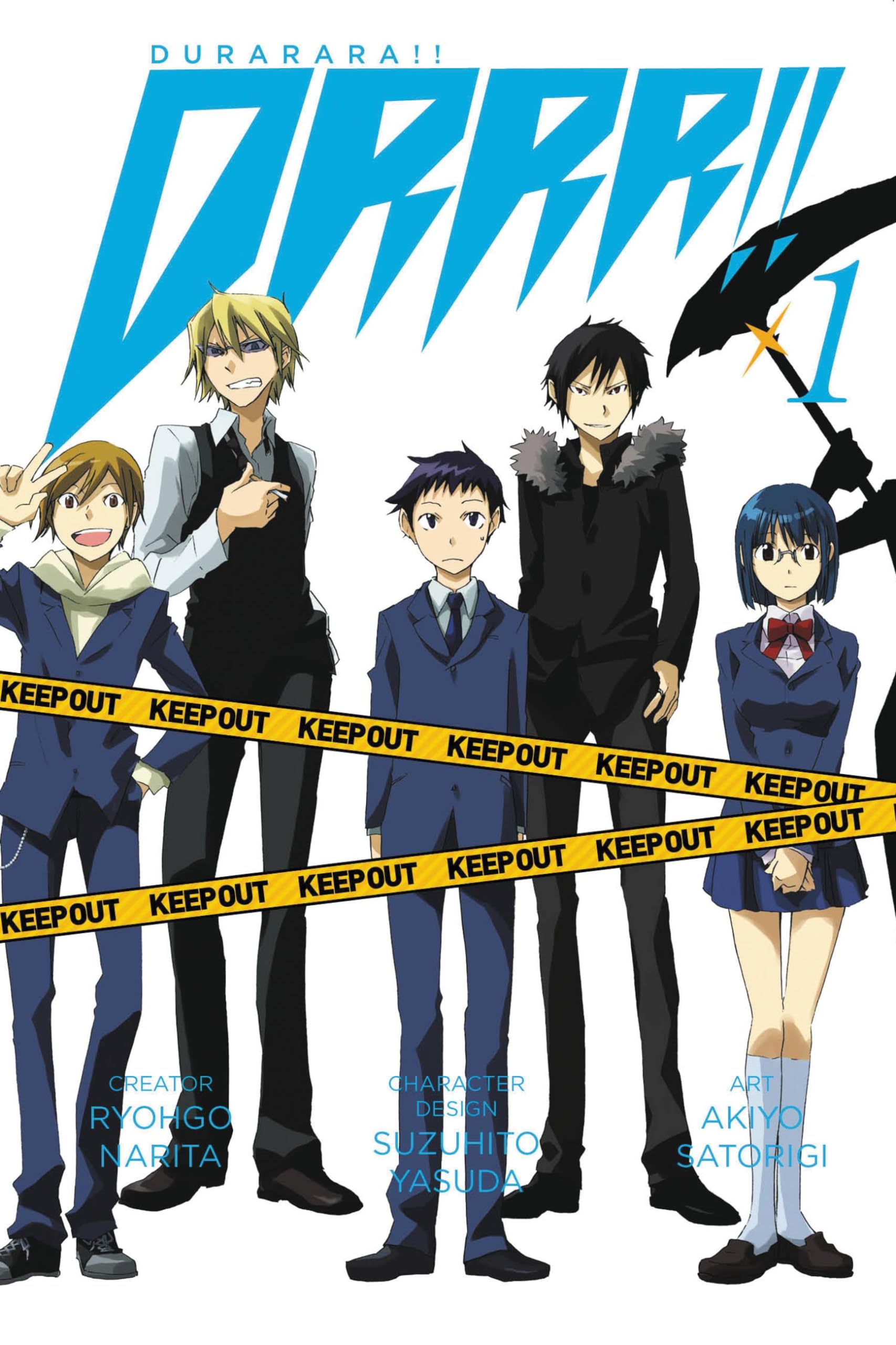
Durarara!!, his second major series, shifts the setting to contemporary Tokyo — specifically the Ikebukuro neighborhood — and applies the same multi-perspective, interconnecting ensemble approach to a world of urban legend, criminal organizations, and the city's various supernatural and human eccentrics. The series' central appeal is the way ordinary and extraordinary characters share the same city and gradually discover that their lives have been intersecting in ways they hadn't anticipated. Izaya Orihara, a manipulative information broker who orchestrates others' conflicts for entertainment, became one of the most beloved antagonist characters in light novel history.
Narita has spoken in interviews about his approach to structure as a kind of puzzle construction — designing the interconnections between characters and storylines before writing the individual volumes, then adjusting the order of revelation to maximize reader engagement. This systematic approach coexists with genuine character warmth; for all the structural machinery of his work, the characters themselves are vivid and specific enough to carry the reader through the most demanding plot sequences.